First Look: Awareness Autism Acronym T-shirt Embroidery Design
Immediate Impressions: A Thoughtful, Purpose-Driven Design
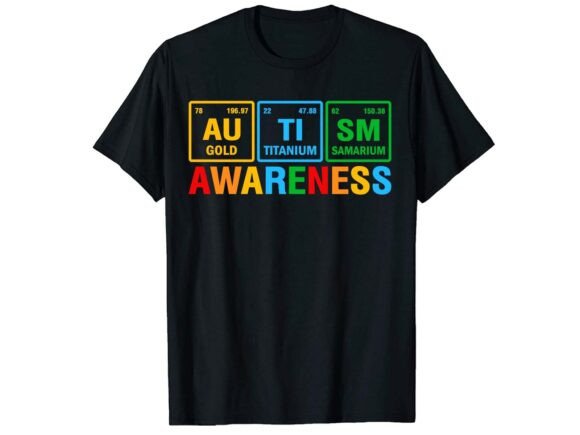
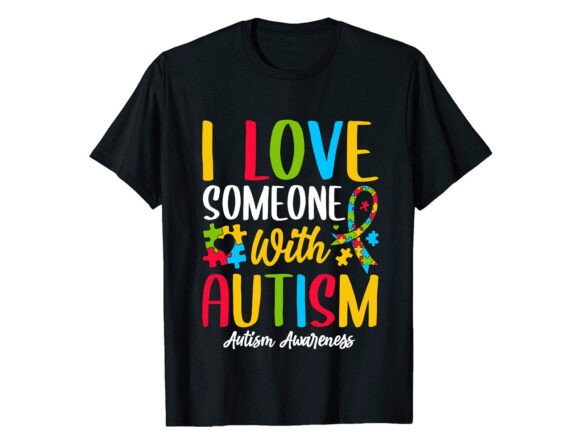
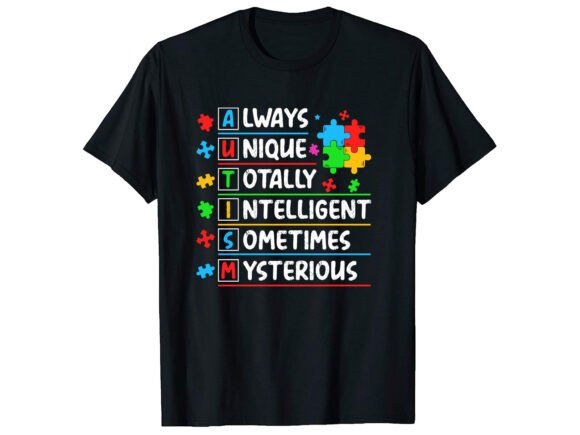
Opening the Awareness Autism Acronym T-shirt design file, I was struck by the clarity and intention behind the layout. It’s not just a graphic—it’s a message with purpose. The acronym treatment is clean and easy to read, making it immediately appealing for awareness-themed apparel and merchandise. The visual tone is calm yet confident, with balanced spacing and a layout that feels intentional for embroidery use. It’s clearly crafted for visibility without being visually overwhelming, which is key when translating a digital design into stitched form.
How It Translates to Stitch: Real Embroidery Performance
This design holds up well under scrutiny for machine embroidery. The lines are distinct, and the lettering appears to be well-constructed for satin and fill stitches. I could easily see this being stitched onto a variety of fabric types—cotton tees, canvas tote bags, or even baby onesies. The design doesn’t lean too heavily on intricate details, which is a plus when working with textured or stretchy materials where thread can shift slightly during stitching.
Testing it on a soft sweatshirt fabric gave a clean, professional result. The edges held well, and the overall look was crisp. For Etsy sellers or small shop owners looking to create custom awareness apparel or boutique-style gifts, this design offers a solid foundation. It also lends itself nicely to embroidered patches, especially when aiming for a subtle but meaningful design element on a cap or bag.
Use Cases That Shine: Where This Design Fits Best
The Awareness Autism Acronym T-shirt design feels right at home in several real-world applications:
- Custom Sweatshirts: Great for school fundraisers or family events, especially when paired with soft thread colors that enhance the message without overpowering it.
- Personalized Tote Bags: A subtle yet powerful statement piece that adds value to a handmade shop’s product line.
- Baby Clothes: Perfect for a delicate, meaningful touch on onesies or burp cloths, especially when using light thread colors on pastel fabrics.
- Gift Items: Works well on tea towels or pillow covers as a thoughtful, awareness-focused gift for a loved one or client.
- Commercial Embroidery: Ideal for small businesses looking to offer branded awareness merchandise without complex design overhead.
It’s also a strong candidate for printable mockups, especially if you're selling digital embroidery files or previewing designs for clients. The design's clarity makes it easy to visualize in different color schemes and fabric types, which is a big plus for creative entrepreneurs.
Where to Be Cautious: Fabric, Fit, and Detail Considerations
While the design is generally solid, there are a few situations where extra care is needed:
- Small Hoop Sizes: If your machine has a limited hoop size, you may need to resize or simplify the design before stitching.
- Dark Fabrics: The design’s contrast may be less visible on black or navy materials. Consider testing thread colors or adjusting the layout slightly for better readability.
- Textured or Stretchy Fabrics: While the design is forgiving, always use proper stabilizer to prevent distortion, especially on knits or loosely woven materials.
- Curved Surfaces: Stitching on caps or curved areas may require additional tension adjustments to maintain clarity in the lettering.
- Layered Garments: Thick layers can cause shifting—double-check stitch density and underlay placement to keep the design sharp.
Also, if you're planning to use this in a commercial embroidery project or as part of a digital product offering, make sure to verify the licensing terms. It’s always better to be safe than sorry when selling finished items or distributing design assets.
Impact on Presentation and Customer Perception
One of the biggest strengths of the Awareness Autism Acronym T-shirt design is how it enhances the perceived value of the finished product. When stitched cleanly, it reads as professional and intentional—ideal for handmade shops aiming to maintain a polished look. The message itself adds emotional weight, which can help build customer trust and brand consistency, especially for sellers focusing on meaningful or cause-driven merchandise.
For Etsy sellers and craft entrepreneurs, this kind of design helps bridge the gap between personal expression and commercial appeal. It’s not just a graphic—it’s a story, and that’s what makes it gift-worthy and marketable.
Designer Notes: Practical Tips Before You Stitch
- Test on Scrap Fabric: Always run a test stitch before committing to your final material.
- Check Thread Color Contrast: Especially on dark or patterned fabrics, ensure the design remains legible.
- Review Stitch Density: Too tight or too loose can affect clarity—adjust as needed for your fabric type.
- Confirm Hoop Size: Make sure the design fits within your machine’s capabilities without distortion.
- Inspect Small Details: Ensure the acronym text is sharp and not lost in the stitching process.
- Test in Black and White Mockups: Helps visualize how the design will look in different contexts and on various fabric colors.
- Use Proper Stabilizer: Especially important for stretchy or delicate materials.
- Verify Licensing: Confirm whether the design is cleared for resale or commercial use before listing on Etsy or other platforms.
Final Thoughts: A Meaningful Addition to Your Embroidery Kit
The Awareness Autism Acronym T-shirt design is more than just a graphic—it’s a well-structured, emotionally resonant embroidery asset that works well across a range of real-life projects. Whether you're creating personalized gifts, boutique apparel, or meaningful merchandise for a cause, this design delivers both visual appeal and practical usability. Just remember to test, adjust, and review licensing before diving into production, and you’ll be set for success.