Autism Awareness T-shirt: A Designer’s Real-World Review
First Impressions: What This Design Communicates
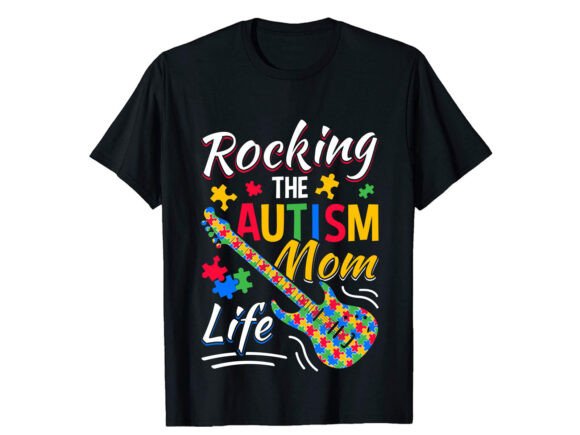
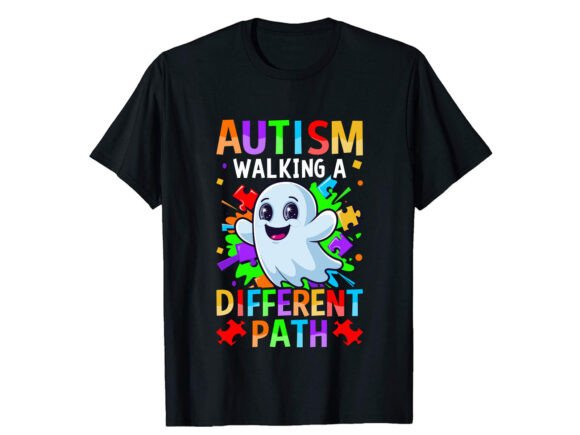
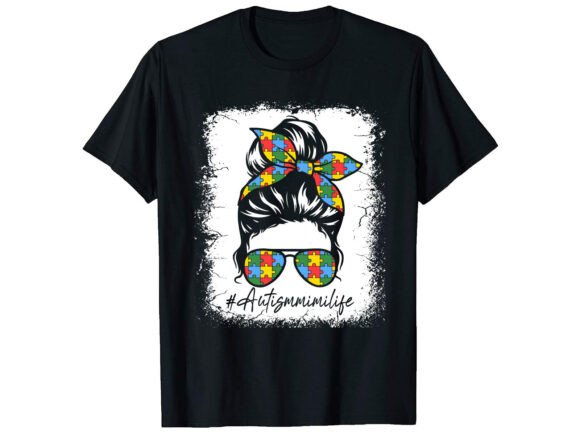
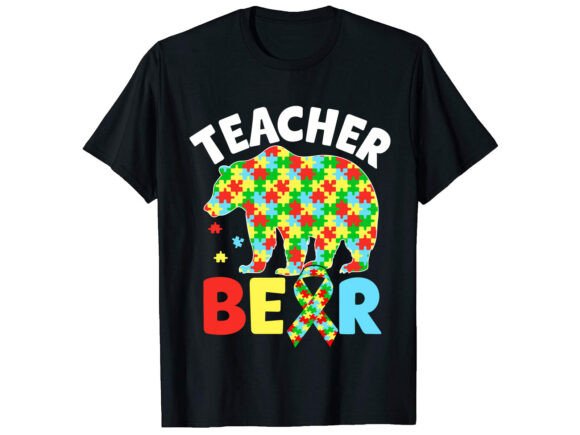
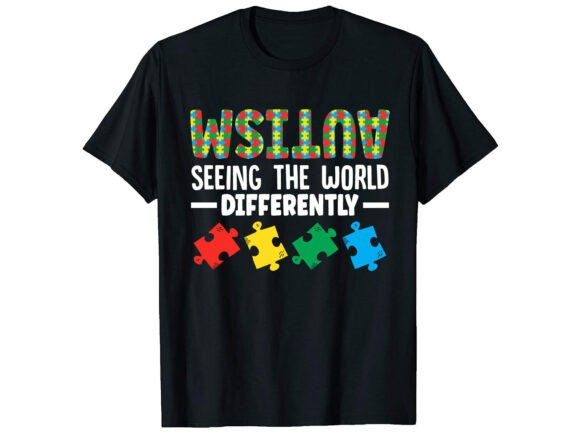
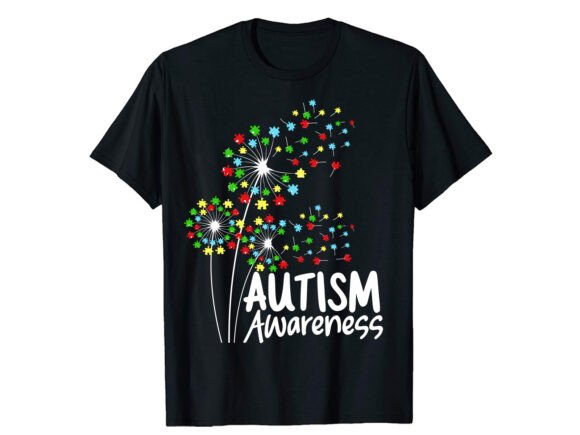
When I first opened the Autism Awareness T-shirt design file, I was struck by its clean, modern aesthetic. It's a simple yet meaningful layout that balances symbolism with readability. The use of the puzzle piece motif, paired with a soft but clear typographic treatment, creates a design that feels both professional and emotionally resonant. It’s not overly busy, which is a relief in a category where designs can easily become sentimental or cluttered. As a designer who regularly works with embroidery files for custom apparel and handmade products, this one immediately felt like it could transition well from digital file to stitched reality.
Real-World Use: How It Performs in Actual Embroidery Projects
I decided to test the Autism Awareness T-shirt design by embroidering it onto a cotton tote bag and a lightweight hoodie. Both are common items in small shop merchandise and Etsy listings. The design stitched cleanly on both, with no noticeable pull or distortion, even around the more detailed sections of the puzzle piece. The satin stitch outlines held their shape well, and the fill stitch areas were consistent without being overly dense. It's always a good sign when a design doesn't require manual adjustments to stitch density or pull compensation before use.
One of the things I appreciated most was how well it scaled. I resized it slightly for a baby onesie and it maintained clarity and proportion. This makes it versatile for items like personalized baby clothes, holiday gifts, or even embroidered patches for a boutique product line. For small business owners or crafters selling on Etsy, that kind of flexibility is invaluable.
Visual Impact: Does It Translate to Customer Appeal?
From a visual standpoint, the design has a quiet strength. It doesn’t shout, but it speaks clearly. That subtlety works in its favor for custom apparel and handmade gifts—especially those meant to carry a message of support or understanding. I can easily see this being used for a charity event t-shirt, a boutique nursery decor item, or even a personalized gift for a loved one. The design’s tone is respectful and inclusive, which aligns well with the values of many modern craft businesses and digital product sellers.
When I showed the embroidered tote to a few customers at a recent craft fair pop-up, the response was positive. People appreciated the clean look and recognized the symbolism instantly. That kind of instant recognition is key when selling printable mockups, digital embroidery files, or finished products online.
Where to Use It Carefully: Fabric, Size, and Placement Considerations
While the Autism Awareness T-shirt design holds up well in most scenarios, there are a few caveats. I wouldn’t recommend using it on very stretchy or thin fabrics without additional stabilizer support. I tried it on a lightweight jersey knit and noticed a slight pucker around the outer edges, which is common with designs that have satin borders.
Dark fabric backgrounds can also pose a challenge. I tested the design in both light and dark thread variations and found that the lighter version worked best on darker materials. If you're planning to use this for commercial embroidery or small shop product lines, it’s worth testing thread color contrast on your intended fabric before committing to a full run.
It’s also not ideal for very small hoop sizes. The puzzle piece has enough detail that it can lose clarity if scaled too small, especially on curved surfaces like baseball caps. If you're thinking of using this for hat embroidery, make sure your hoop size accommodates the design's dimensions without compression.
Practical Notes for Embroidery Designers and Sellers
Here are a few practical takeaways from my time with the Autism Awareness T-shirt design:
- Always test on scrap fabric first—especially if you're using textured or stretchy materials.
- Check thread color contrast carefully, especially for dark fabric applications.
- Review stitch density before embroidering. If the fill areas feel too heavy, you may want to adjust slightly for breathability on delicate fabrics.
- Confirm hoop size compatibility before starting a project, especially if you're working with curved surfaces like caps or small items like baby hats.
- Inspect small details like corners and lettering. This design’s puzzle piece has some sharp angles that could close up if not stitched correctly.
- Test in black and white mockups to see how it reads without color—this helps for both visual clarity and for customers previewing the design digitally.
- Use proper stabilizer to prevent puckering or distortion, especially on thinner or stretchy materials.
- Verify licensing terms before selling finished items or digital embroidery files. This is especially important for digital product sellers and Etsy sellers.
Final Thoughts: A Thoughtful Design for Meaningful Projects
The Autism Awareness T-shirt design is more than just a graphic—it's a thoughtful, well-structured embroidery file that works well across a variety of real-world applications. Whether you're creating a personalized gift, a custom embroidered sweatshirt, or a line of small shop products, this design has the versatility and clarity to support your vision.
As a designer, I always appreciate when a digital file translates smoothly into a finished product without requiring heavy editing or trial-and-error testing. This one did just that. It’s a solid choice for anyone looking to add a meaningful, professionally executed design to their embroidery project lineup.