Rocking the Autism T-shirt: A Designer’s Real-World Review
First Impressions: Simple, Bold, and Purposeful
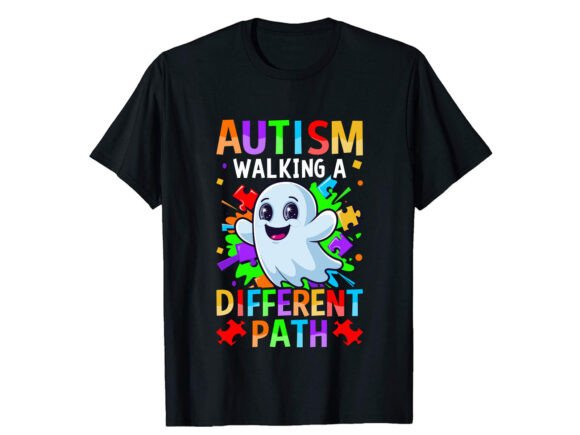
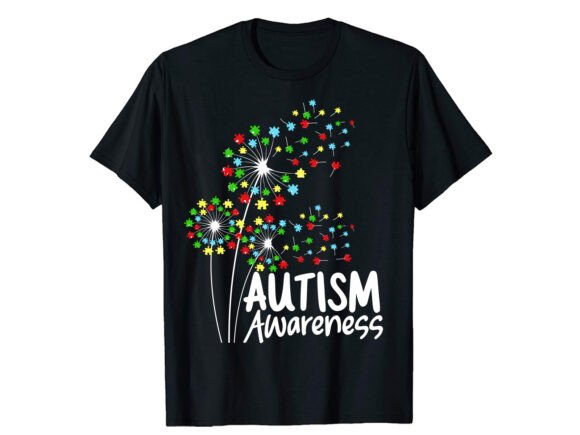
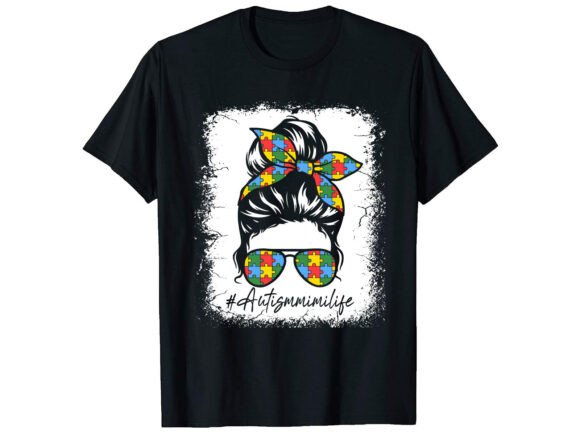
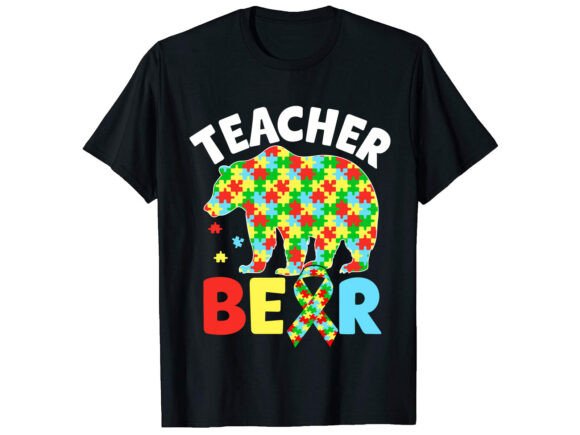
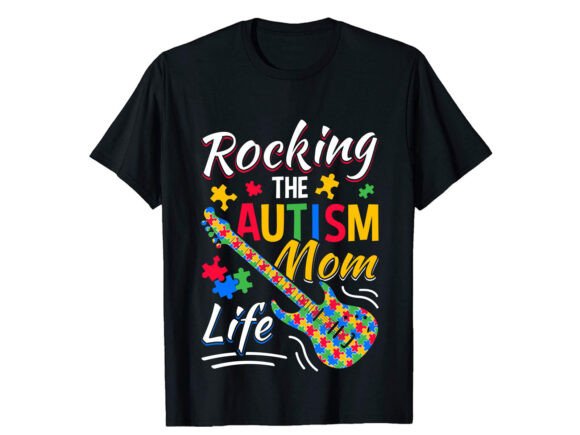
When I first opened the Rocking the Autism T-shirt design file, what stood out was its clean, confident layout. It doesn’t try to do too much — which is a good thing when you're working with embroidery files meant for real-world application. The central motif is straightforward but carries emotional weight, making it a solid choice for awareness-themed apparel and accessories. The font choice feels modern without being trendy, and the overall shape adapts well to standard embroidery placements like chest, sleeve, or back panels.
Real-Life Use: From Sweatshirts to Baby Onesies
I recently tested Rocking the Autism T-shirt on a custom embroidered sweatshirt for a local boutique. The design scaled well from a standard 4x4 hoop to a larger 5x7 layout without losing clarity. The satin and fill stitches held up nicely on a mid-weight fleece, and the thread coverage was even, which is important for a clean finish.
Next, I tried it on a baby onesie — a common request for personalized gifts. The design’s central layout worked well centered on the chest without overwhelming the small space. The font remained legible even at a reduced size, which is a win when working with tiny garments. I also tested it on a tote bag and found that the design’s simplicity made it a natural fit for minimalist branding or awareness campaigns.
Where It Shines: Versatility and Emotional Resonance
What makes Rocking the Autism T-shirt stand out is its emotional clarity. It's not just a graphic — it's a statement. That kind of visual identity can elevate a handmade product from generic to meaningful. Whether used on a holiday gift, a boutique t-shirt, or a personalized tote, the design communicates care and awareness, which is important for Etsy sellers and small shop owners aiming to connect with thoughtful buyers.
It also performs well across multiple fabric types. On cotton and cotton blends, the stitch definition is crisp. On slightly textured materials like canvas or twill, it still holds up, especially if you use a light stabilizer underneath. For commercial embroidery projects, this kind of flexibility is a big plus.
Caution Zones: Fabric, Fit, and Detail
Like any embroidery design, Rocking the Autism T-shirt has its limitations. On stretchy fabrics like jersey knits, I noticed slight puckering around the lettering unless I used a firm tear-away stabilizer. If you're embroidering on a curved surface like a cap or a rounded tote handle, you’ll want to test the layout first to ensure the design doesn’t distort when hooped off-plane.
The font size and line weight are also worth checking if you're working with small hoop sizes. At reduced scales, the smaller text in the design can start to lose clarity — especially if using dark thread on a dark fabric. I’d recommend keeping it above a 1.5-inch height to maintain readability.
Stitch Clarity and Visual Appeal
One of the first things I look for in a machine embroidery design is stitch clarity — how clean and intentional the finished embroidery looks. Rocking the Autism T-shirt delivers here. The satin stitch outlines are sharp, and the fill stitches don’t feel overly dense, which helps prevent stiffness in the fabric. This is especially important for baby embroidery and wearable items where comfort matters.
Visually, the design has a balanced composition. The central graphic is framed in a way that draws attention without feeling cluttered. This makes it ideal for Etsy sellers who want to offer awareness-themed items without going overboard on visual noise. It also works well in black and white mockups, giving digital product sellers a versatile preview option.
Commercial Use and Licensing Considerations
Before listing any finished product or digital embroidery file for sale, I always double-check licensing. The product description mentions that Rocking the Autism T-shirt can be used for t-shirts, stickers, posters, banners, and more — but it doesn’t specify whether it's for personal or commercial use. If you’re planning to sell finished items or digital design assets, make sure to confirm the license terms with the creator or platform.
For small business owners and Etsy sellers, this is a critical step. Even the best embroidery file can become a liability if licensing isn’t clear. Always request written permission or a commercial use license before mass production or resale.
Design Notes for Embroidery Professionals
- Test the design on scrap fabric before stitching on the final product.
- Check thread color contrast on both light and dark backgrounds.
- Review stitch density — avoid overly dense areas that may cause stiffness.
- Confirm hoop size compatibility with your machine and intended placement.
- Inspect small lettering and graphic details for clarity at reduced sizes.
- Try a black and white mockup to evaluate visual balance without color distractions.
- Use appropriate stabilizer for fabric type — tear-away for cotton, cut-away for stretchy materials.
- Confirm file format compatibility with your embroidery machine.
- Make sure the design works for both personal and commercial embroidery projects.
- Always verify licensing before selling any finished product or digital embroidery file.
Final Thoughts: A Thoughtful, Practical Design Choice
Rocking the Autism T-shirt isn’t trying to be flashy or overly detailed. Instead, it offers a clean, emotionally resonant message that translates well across a variety of embroidery projects. Whether you're making custom apparel, embroidered patches, or personalized gifts, this design holds up under real stitching conditions and maintains its visual appeal.
For crafters, Etsy sellers, and small shop owners, that kind of consistency is invaluable. It’s the kind of design you can confidently add to your digital embroidery file collection — not just for its technical performance, but for the message it carries. And in today’s handmade and awareness-driven market, that’s a powerful combination.