Autism Seeing the World T-shirt: A Designer’s Real-World Review
First Impressions: A Thoughtful, Wearable Message
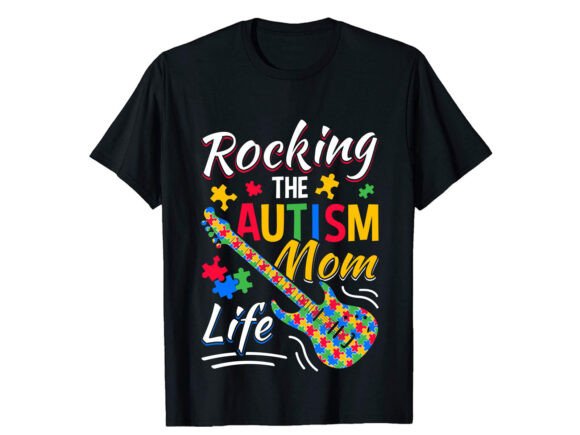
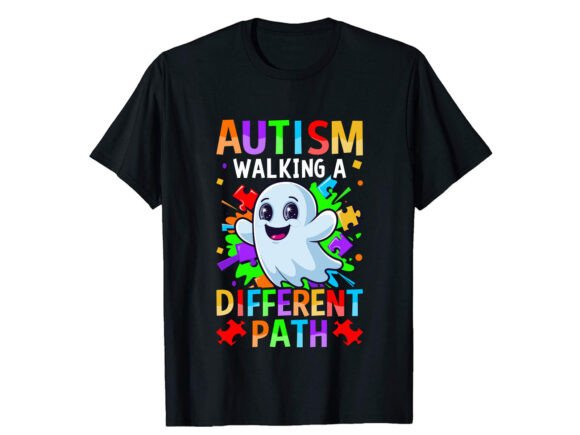
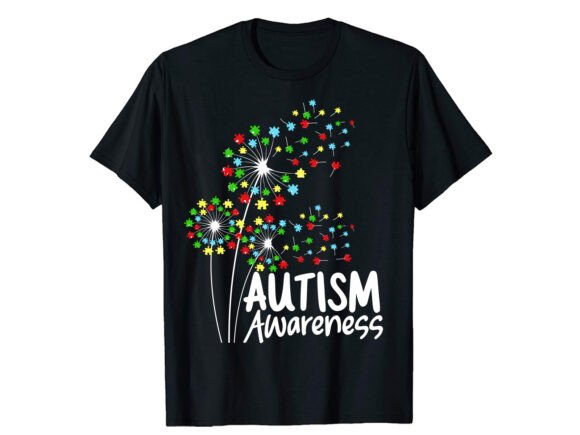
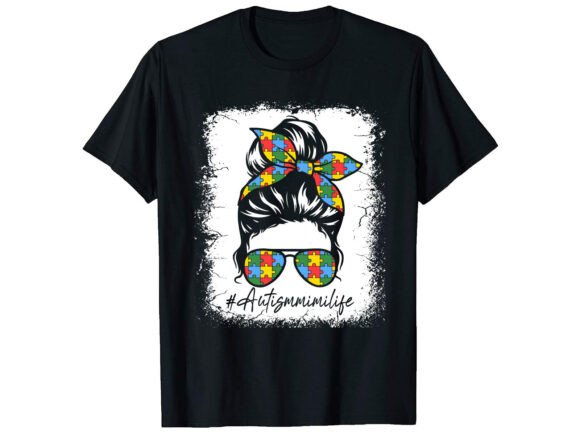
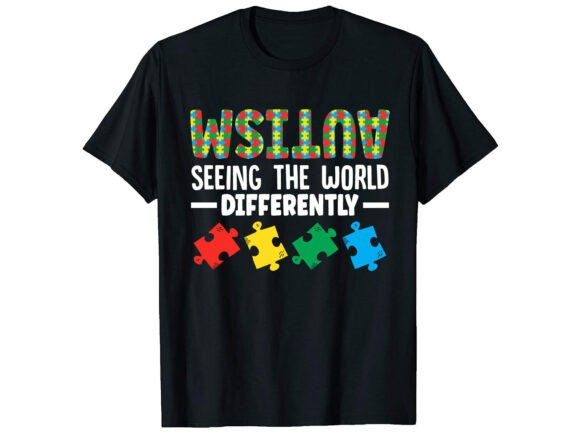
When I first opened the Autism Seeing the World T-shirt design file, I was struck by its gentle, inclusive tone. It's not just a graphic—it's a statement. The layout feels balanced and approachable, with a soft color palette and a central visual that evokes curiosity and empathy. As someone who regularly works with embroidery files for custom apparel and handmade gifts, I immediately saw its potential for use in boutique-style tees, baby onesies, and even embroidered patches.
Design Versatility: From Sweatshirts to Stickers
This design translates well across multiple formats. As a machine embroidery design, it holds up on sweatshirts and tote bags, where the texture of the fabric complements the slightly whimsical nature of the graphic. It also works as a digital embroidery file for printable mockups—especially for Etsy sellers who want to preview how it would look on different garments or products before stitching.
I tested the Autism Seeing the World T-shirt layout on a mock sweatshirt and was pleased with how the design scaled. The visual balance remained intact, and the core message stayed clear. For small shop owners, this kind of adaptability is essential—especially when creating personalized gifts or custom apparel for clients with specific needs.
Stitching Reality: How It Holds Up Under Thread
From an embroidery perspective, the Autism Seeing the World T-shirt design has a moderate level of detail. It uses a mix of fill stitch and satin stitch elements, which means it’s best suited for medium to large hoop sizes. If you're planning to use it on a baby item or a curved surface like a cap, you'll want to test the stitch density first.
I stitched a sample on a medium-weight cotton and had no issues with distortion or thread bunching. However, if you're using a stretchy or thin fabric, consider adding extra stabilizer to keep the design crisp. For commercial embroidery projects, especially those involving frequent washing (like aprons or kitchen towels), make sure the design's fine lines and lettering hold up under tension and wear.
Color Choices: Contrast Matters
One thing I noticed is how much the final look depends on thread colors. The design doesn't come with a specific palette, so it's up to the user to choose hues that enhance the message without overpowering it. I tried it in both bright and muted tones—each gave a different emotional tone to the finished product.
For dark fabrics, consider using light-colored outlines or adding a white underlay to make the design pop. If you're selling finished items or offering personalized embroidery, offering a few thread color variations could help customers feel more connected to the piece.
Where to Use It—and Where to Be Careful
This design shines in products where emotional resonance is key. It's perfect for personalized gifts, holiday embroidery, and charity merchandise. I can see it on nursery decor items, embroidered baby blankets, and even tote bags sold at local craft fairs.
However, it’s not ideal for very small hoop sizes or highly textured materials. The intricate corners and fine details may get lost on a curved cap or a thick, fuzzy fabric. If you're using it on a layered garment like a hoodie, test how it looks after stitching and trimming. Also, be cautious with the lettering—it’s delicate and may require extra care on stretchy materials.
Visual Impact: More Than Just a Design
What makes the Autism Seeing the World T-shirt stand out is its emotional appeal. It’s not just a graphic—it tells a story. For small business owners and craft entrepreneurs, that kind of visual storytelling can boost brand consistency and customer trust.
As a reviewer, I appreciate how it elevates the handmade presentation of a product. Whether it's stitched onto a tote bag or printed as a sticker, it feels intentional and meaningful. This kind of design can increase product value and giftability—especially when used in a thoughtful way.
Practical Notes for Embroidery Designers
- Test on scrap fabric before stitching the final piece.
- Check thread color contrast to ensure clarity on light and dark backgrounds.
- Review stitch density for stretchy or thin fabrics.
- Confirm hoop size compatibility before starting a large batch.
- Inspect small details like lettering and corners for clarity.
- Test the design in black and white mockups to see how it reads without color.
- Use the right stabilizer for layered or textured materials.
- Check licensing terms before using it in digital product sales or commercial embroidery.
Final Thoughts: A Design with Purpose
The Autism Seeing the World T-shirt isn’t just another T-Shirt Design or Graphics file. It’s a design with purpose—both visually and emotionally. Whether you're an embroidery product reviewer, a creative entrepreneur, or a handmade shop owner, this design offers a chance to connect with your audience in a meaningful way.
It’s well-suited for small shop products, custom apparel, and personalized embroidery projects. Just be mindful of the fabric type, hoop size, and stitch clarity to ensure the final product looks as good as the original concept.