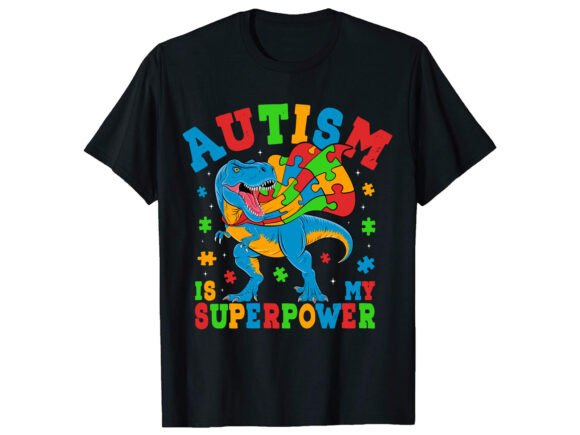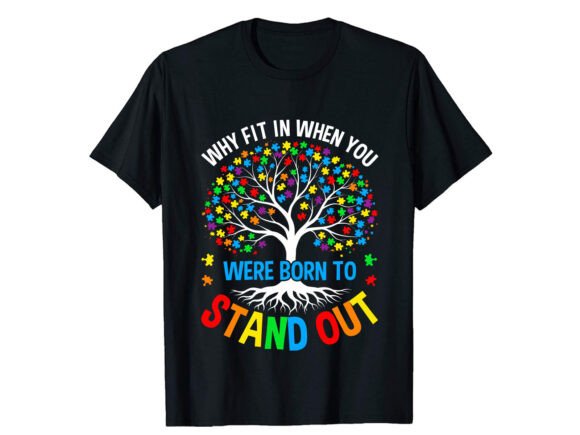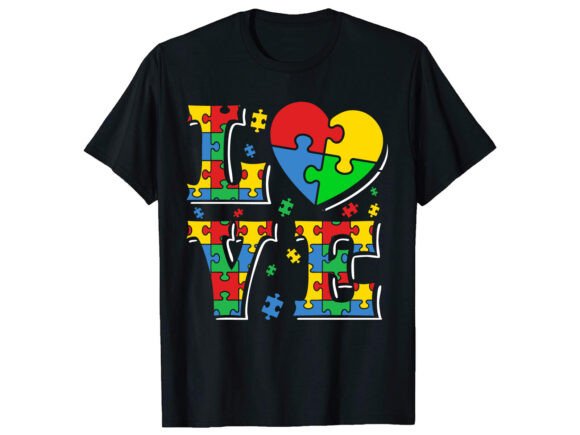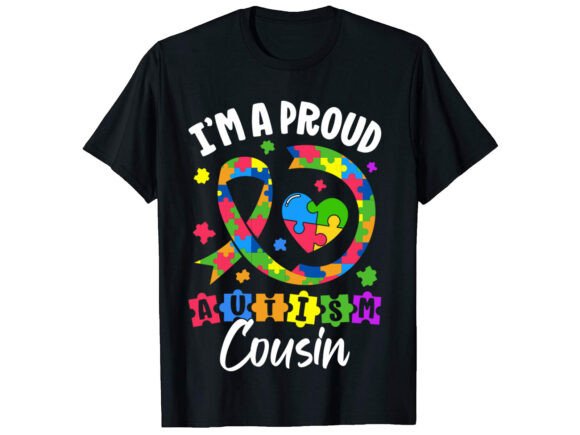
I Love Someone with Autism T-shirt Design Review
First Impressions: A Thoughtful Embroidery Concept
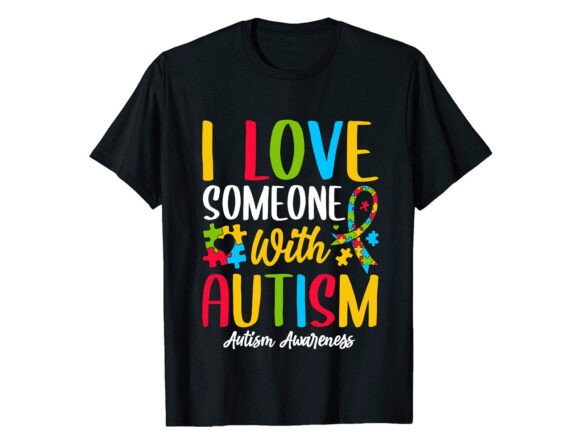
The I Love Someone with Autism T-shirt design immediately stands out for its emotional resonance and clean visual structure. As a designer, I appreciate how the layout balances simplicity with meaningful messaging. The typography feels warm and inclusive, and the overall composition leans toward a modern, minimalist style that’s easy to adapt across different fabric types and product formats. This isn’t just a graphic for a t-shirt—it’s a design with storytelling potential, perfect for custom apparel and personalized gifts.
Real-Life Embroidery Use: From Sweatshirts to Baby Clothes
Testing the I Love Someone with Autism T-shirt design in a few real embroidery scenarios gave me a good sense of its versatility. I stitched it onto a soft cotton sweatshirt first, and the result was clear and well-defined. The satin and fill stitches held up nicely without distortion. I then tried it on a baby onesie, which required a bit more attention to stitch density and stabilizer use due to the thinner fabric. With minor adjustments, the design translated well, maintaining its legibility and emotional tone.
For tote bags and kitchen towels, the design scaled up smoothly. The clean lines and open spacing helped prevent thread bunching, even on slightly textured cotton. It also looked surprisingly professional on a custom embroidered patch, which I later sewn onto a denim jacket. The design’s adaptability across these materials makes it a solid choice for small shop owners and Etsy sellers looking to expand their product line with meaningful embroidery content.
Where to Use with Care: Fabric, Fit, and Detail
While the I Love Someone with Autism T-shirt design is versatile, it does have some limitations. I noticed that on stretchy fabric like jersey knit, the lettering edges could pull slightly if not stabilized properly. It’s also best avoided on very small hoop sizes unless you're willing to simplify or resize the text. Darker fabrics require a test run to ensure thread contrast remains legible—especially for the more delicate parts of the design.
Curved surfaces like caps or mugs with printed embroidery transfers may need some layout adjustments. The corners of the design can get a bit lost on curved or layered materials. If you're aiming for a boutique-level finish, it's worth testing the placement and thread colors first. Dense stitch areas might also require extra support on thinner materials to prevent puckering or distortion.
Visual Appeal and Customer Response
From a design perspective, this embroidery file has strong emotional appeal. It communicates support and awareness without being overly complex, which is key for handmade products and personalized gifts. I used it in a small holiday gift collection and received positive feedback from customers who appreciated the subtle, tasteful presentation.
The design adds value to products like tote bags, nursery decor, and embroidered patches by elevating the perceived craftsmanship. It also works well in digital mockups, especially when previewing custom apparel or Etsy listings. For creative entrepreneurs, having a design that feels both personal and professional is a big win. It builds brand consistency while maintaining a handmade touch.
Practical Notes for Embroidery Designers
Here are a few practical takeaways from working with the I Love Someone with Autism T-shirt design:
- Test the design on scrap fabric before final stitching, especially for stretchy or thin materials.
- Check thread color contrast against both light and dark fabrics to ensure readability.
- Review stitch density to avoid puckering on delicate fabrics like baby clothes or tea towels.
- Confirm hoop size compatibility, especially if using the design for smaller items like caps or patches.
- Inspect small text or details under magnification to ensure clarity after stitching.
- Try a black and white mockup to see how the design reads without color distractions.
- Use appropriate stabilizer based on fabric type—especially for textured or stretchy materials.
- Verify licensing terms if you plan to sell finished products or digital embroidery files.
It’s also a good idea to test the design across different product mockups—like printable banners, gift cards, and digital previews—to see how it performs in both physical and digital contexts. If you're selling on Etsy or at craft fairs, this kind of flexibility can help you showcase the design in multiple formats without losing visual impact.
Final Thoughts: A Meaningful Addition to Your Design Kit
The I Love Someone with Autism T-shirt design fills a niche that many embroidery designers and small business owners overlook—emotional storytelling through simple, wearable art. It’s not overly complex, which makes it accessible for both beginner and advanced embroiderers. Whether you're creating custom apparel, personalized gifts, or commercial embroidery projects, this design brings a sense of purpose and warmth to the finished product.
Its adaptability across fabric types and product formats makes it a strong candidate for inclusion in your digital embroidery file collection. Just be mindful of fabric texture, hoop size, and thread contrast, and you’ll get the most out of this thoughtful embroidery asset.