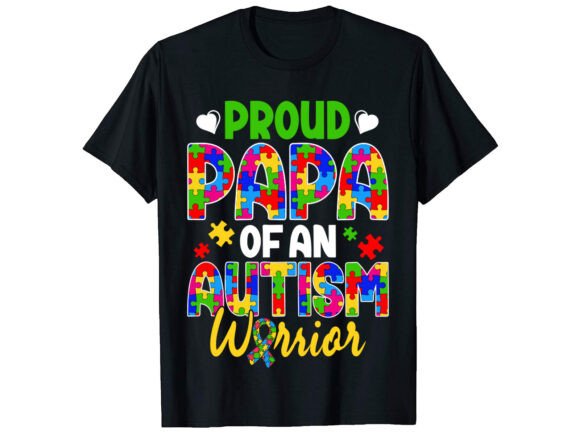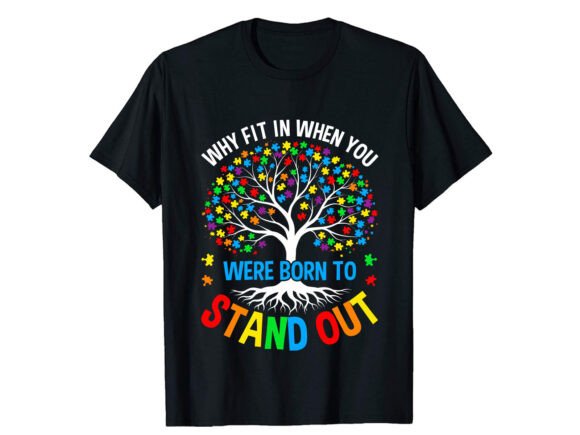
Why Fit In When You Were Born to Stand Out: Autism T-Shirt Design Review
First Impressions: Bold, Proud, and Perfectly On-Message
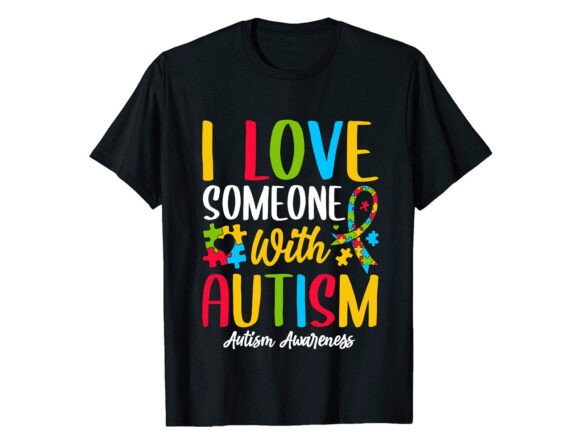
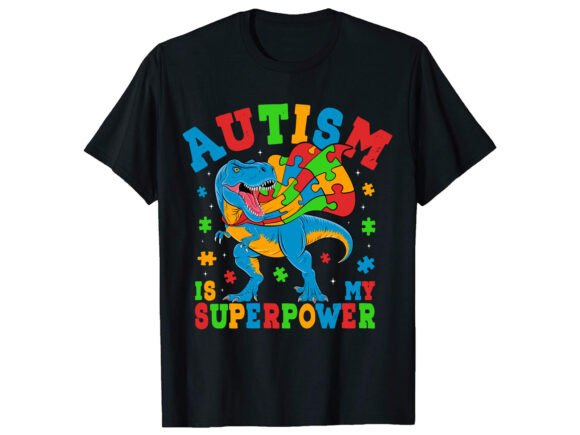
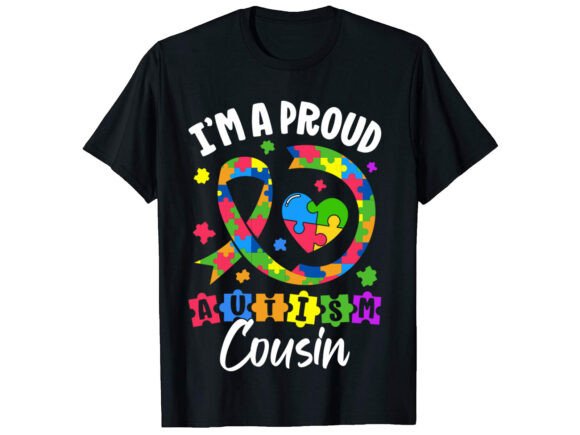
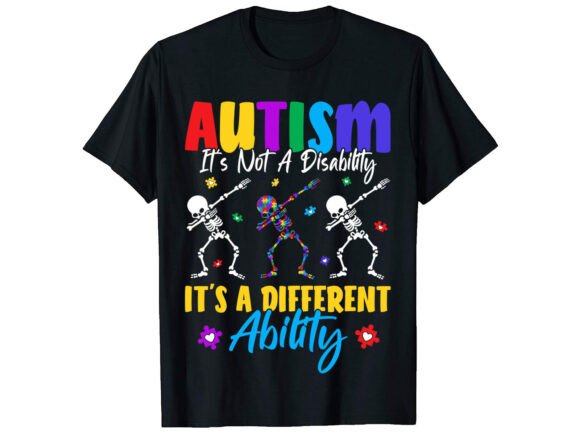
As an embroidery designer who reviews dozens of digital graphics each month, the Why Fit In When You Were Autism T-shirt immediately caught my eye. It’s not just the sentiment—it’s the clean, confident layout and the strong visual presence that makes it feel like more than just a t-shirt graphic. It reads like a statement piece. The typography is bold without being overwhelming, and the autism-themed motif feels inclusive yet distinctive. It’s the kind of design that can easily translate from a casual tee to a meaningful embroidered gift.
From a design standpoint, the layout is straightforward, which is great for embroidery adaptation. The central motif is well-balanced, and the text doesn’t crowd the graphic. It gives you room to play with placement—whether on a chest, sleeve, or even a tote bag. The design feels modern, yet timeless, which is a big plus for sellers looking to keep their inventory relevant across seasons.
Real-Life Use: From Sweatshirts to Baby Onesies
I recently picked up this design to use on a custom embroidered tote bag for a local autism awareness group. I wanted something that felt personal, not promotional. After stitching it out on a mid-weight cotton canvas, the result was clean and crisp. The satin and fill stitches held up well, and the design scaled nicely to fit the bag’s front panel without losing clarity.
What surprised me was how versatile it was across different fabric types. I tested it on a soft sweatshirt fabric and a thinner baby onesie, and both held up beautifully. On the sweatshirt, the design looked cozy yet intentional. On the baby item, it came across as gentle and meaningful—perfect for a parent looking to celebrate their child’s unique journey.
For Etsy sellers and crafters, this design could work well in a variety of product formats: embroidered patches, personalized tea towels, or even holiday-themed sweatshirts with a small tweak to the background or thread color. It’s a strong candidate for digital embroidery files that can be reused across multiple handmade items.
Where to Use with Care: Fabric, Fit, and Detail
While the Why Fit In When You Were Autism T-shirt design is largely user-friendly, there are a few things to keep in mind when applying it to real-world projects. First, the lettering, while readable, can be on the smaller side if you’re scaling down for a baby cap or a curved surface like a baseball cap. You’ll want to double-check the stitch density and ensure that the text doesn’t get lost in the texture of the fabric.
On dark fabrics, the contrast of the thread colors becomes more critical. If the design file doesn’t include a black-and-white version or multiple color options, you may need to adjust the thread palette manually. I found that using a light stabilizer underneath helped maintain clarity on darker cotton blends.
Also, if you’re planning to use this on stretchy fabric like a knit t-shirt, make sure to hoop it carefully with the right stabilizer. I’ve seen similar designs warp slightly when not properly stabilized, especially around the corners of the graphic. It’s worth doing a test run on scrap fabric before committing to a customer project.
Visual Appeal and Business Value
One of the most important aspects of any embroidery file is how it affects the perceived value of the finished product. This design definitely adds a layer of professionalism and emotional resonance to any item it’s stitched onto. Whether it’s a boutique sweatshirt or a personalized baby gift, the design elevates the item from a simple garment to a meaningful keepsake.
From a seller’s perspective, designs like this one can help build brand consistency, especially if you’re curating a line of awareness-themed products. It’s also gift-worthy—ideal for autism awareness events, teacher gifts, or family keepsakes. The emotional weight of the message adds to its appeal, making it more than just a decorative element.
For Etsy sellers and craft fair vendors, this kind of design can help drive engagement. Customers respond well to designs that speak to them on a personal level, and this one does that without being too niche. It walks the line between statement and subtlety quite well.
Practical Notes for Embroidery Designers
- Test it first: Always stitch out the Why Fit In When You Were Autism T-shirt design on scrap fabric before using it on a customer item.
- Check thread contrast: Make sure the thread colors stand out clearly on your chosen fabric, especially on darker materials.
- Review stitch density: Especially around text and detailed areas to avoid distortion or thread breaks.
- Confirm hoop size: Don’t assume the file fits your standard hoop—measure and verify before stitching.
- Inspect small details: The corners of the graphic and small letters can be tricky on curved or textured surfaces.
- Try black and white versions: If the file doesn’t include one, convert it yourself to see how it reads in monochrome.
- Compare light and dark backgrounds: This helps ensure the design works across multiple product types.
- Use the right stabilizer: Especially important for stretchy or thin fabrics.
- Confirm licensing: Always check if the design can be used for commercial embroidery or digital resale.
Final Thoughts: A Design That Works Harder Than It Looks
The Why Fit In When You Were Autism T-shirt design is more than just a graphic—it’s a flexible, emotionally resonant embroidery file that can serve a wide range of creative entrepreneurs. Whether you're a small shop owner, an Etsy seller, or a custom apparel decorator, this design offers both visual appeal and practical usability.
It’s the kind of design that makes customers stop and read, then smile. And in the handmade and digital product world, that’s a rare and valuable trait. It works well across multiple formats, from embroidered patches to personalized gifts, and holds up under real-world stitching conditions.
If you're looking for a machine embroidery design that combines purpose with polish, this one deserves a spot in your collection. Just remember to test it thoroughly, respect the fabric, and let the design speak for itself.