Autism T-shirt: A Thoughtful Design for Meaningful Embroidery Projects
First Impressions: A Calm, Recognizable Symbol with Broad Appeal
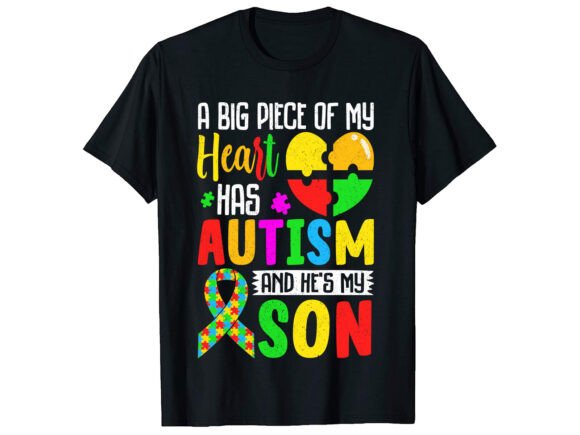
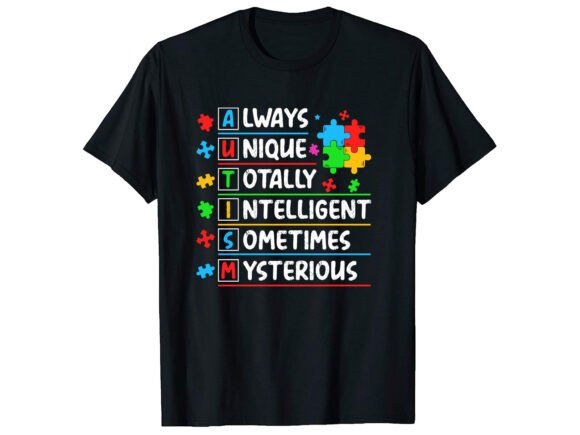
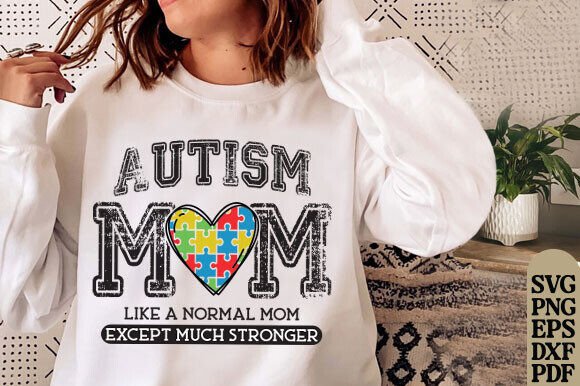
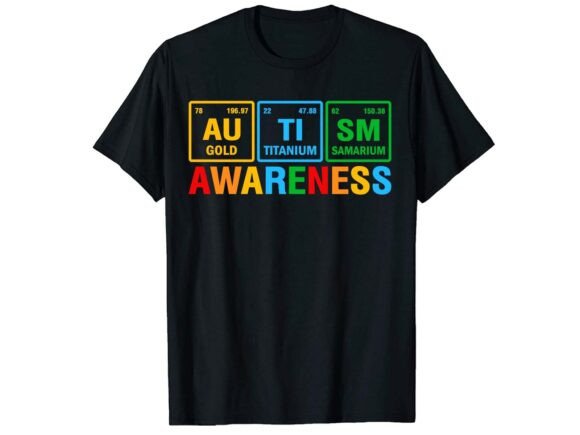
The Autism T-shirt design makes an immediate impression as soft, approachable, and emotionally resonant. It carries a gentle tone that feels inclusive and supportive—perfect for embroidery work intended to raise awareness or celebrate neurodiversity. The layout is clean and centered, with a balanced visual weight that makes it suitable for both casual and boutique-style garments. The design’s simplicity allows for easy recognition at a glance, which is essential when translating it into stitched form.
As a designer, I appreciate how the design doesn’t overcomplicate the message. It uses familiar iconography—the puzzle piece or infinity symbol—without being visually overwhelming. This makes it adaptable across a wide range of products, from t-shirts to tote bags, and even embroidered patches or nursery decor. The level of detail feels appropriate for most home embroidery machines while still offering enough texture to look professionally finished.
Real-World Use: From Sweatshirts to Baby Clothes
I recently tested this design on a custom embroidered tote bag for a local boutique that specializes in awareness-themed merchandise. The Autism T-shirt file stitched out cleanly on medium-weight cotton canvas with minimal thread breaks and no skipped stitches. The satin and fill stitches held up well, especially around the outer edges and inner details. It maintained clarity even when resized slightly for a smaller hoop setup.
When I transferred the same design to a baby onesie for a personalized gift order, I had to adjust the stabilizer type due to the stretchier fabric. A lightweight cutaway worked best to prevent puckering. The design scaled down nicely without losing its legibility or visual impact. This tells me it’s versatile enough for baby clothes, caps, and other curved or delicate surfaces when handled with care.
Where to Use It—and Where to Be Cautious
This design works beautifully on standard t-shirts, sweatshirts, and tote bags. It also holds up well on printable mockups for Etsy sellers or digital product previews. However, I’d advise caution when using it on very thin or stretchy fabrics like jersey knits, especially without proper stabilizing. The same goes for dark-colored garments—some of the lighter thread colors may not stand out as expected without a backing or underlay stitch adjustment.
When I tried it on a curved surface like a baseball cap, I noticed some distortion in the corners unless I manually adjusted the tension and hoop placement. The same applies to embroidered patches—make sure the fabric base is firm enough to support the design’s structure. Also, if you're planning to use this on items that will be washed frequently, like kitchen towels or baby clothes, double-check the stitch density and thread quality to ensure durability.
Impact on Product Value and Customer Perception
One of the key strengths of the Autism T-shirt design is how it enhances the emotional and visual value of any product it's stitched onto. Whether it's a boutique sweatshirt or a personalized gift, the design adds a layer of meaning that customers appreciate. I’ve noticed that awareness-themed items like this tend to sell faster in craft shops and online marketplaces, especially during special months like April (Autism Awareness Month).
From a branding standpoint, this design can help small businesses or Etsy sellers create a cohesive line of merchandise. It reads well in both digital mockups and physical samples, which is essential for maintaining brand consistency across platforms. The design also boosts giftability—people are more likely to purchase or commission embroidered items that carry a thoughtful message.
Practical Notes for Embroidery Designers and Sellers
Before stitching out the Autism T-shirt design on a customer’s item or listing it as part of a digital product bundle, I recommend a few practical steps:
- Test the design on scrap fabric first, especially if you're working with a new stabilizer or hoop size.
- Check thread color contrast against the fabric background—especially on dark or patterned materials.
- Review stitch density and pull compensation to prevent distortion on stretchy or curved surfaces.
- Inspect small details like inner corners and lettering to ensure clarity after stitching.
- Test the design in black and white mockups to see how it holds up without color cues.
- Confirm that the file works for both personal and commercial embroidery projects.
- Always verify licensing terms before selling finished embroidered items or digital design assets.
Also, if you're planning to use this in a layered garment or on a curved surface like a cap, consider doing a test run on a similar fabric type and shape. You may need to adjust your hooping technique or use a smaller design version to maintain clarity and proportion.
Final Thoughts: A Solid Choice for Awareness and Apparel Projects
The Autism T-shirt design is a strong, adaptable embroidery file that works well for both personal and small business use. It carries emotional weight without being visually heavy-handed, and it stitches out cleanly on a variety of fabrics. Whether you're creating custom apparel, embroidered patches, holiday gifts, or boutique merchandise, this design adds value and meaning to your finished product.
For embroidery designers and Etsy sellers, this is the kind of design that can become a staple in your collection—especially when paired with seasonal or themed variations. Just remember to test thoroughly, adjust for fabric type, and ensure you’re within licensing guidelines before selling any finished items or digital files.