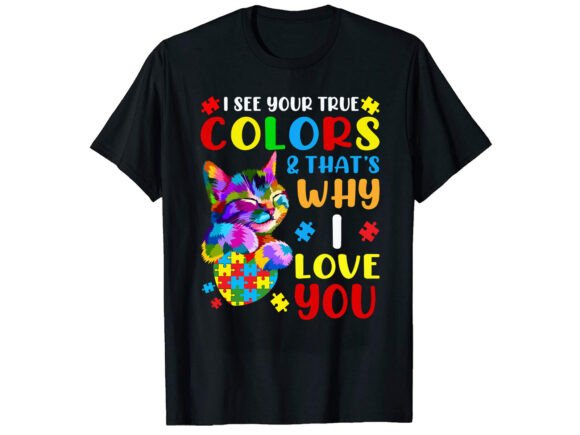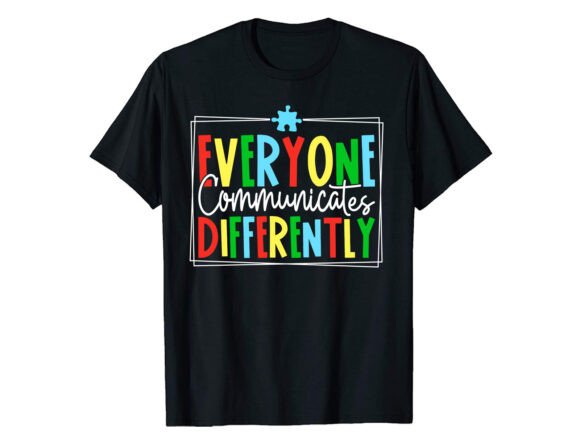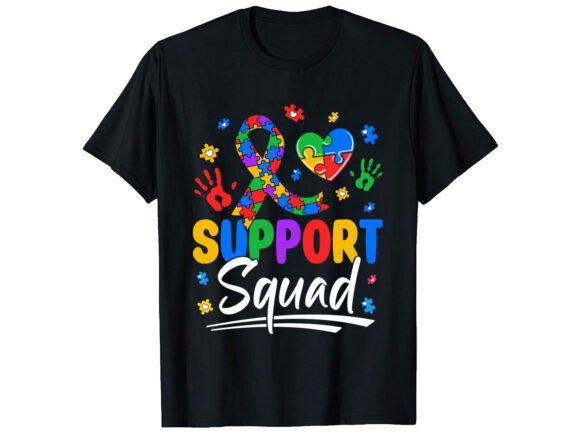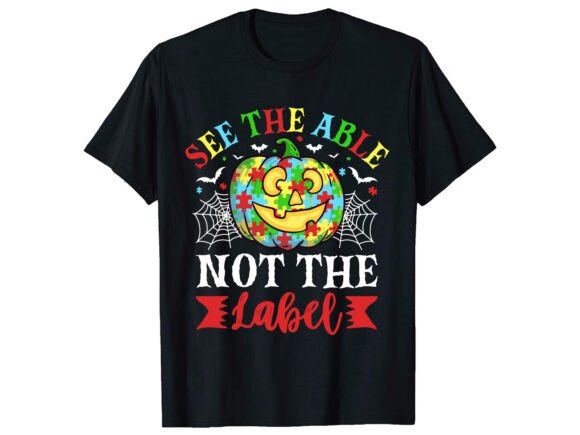
Cure Ableism Not Autism T-shirt: A Designer’s Honest Take
First Impressions: Strong Message, Simple Visual Language
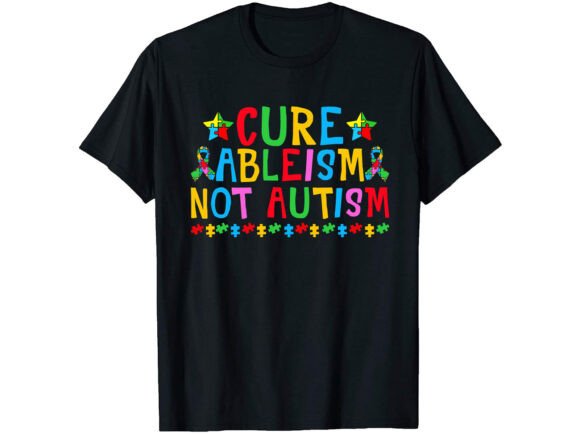
When I first opened the Cure Ableism Not Autism T-shirt design file, I immediately noted its bold, message-driven style. It's not overly intricate, which makes it ideal for embroidery projects where clarity and readability are key. The design leans into a modern, minimal aesthetic—clean lines, clear lettering, and a message that speaks directly to inclusivity and neurodiversity.
From a visual standpoint, it reads more like a statement than just a design. That’s important for embroidery, especially when you’re creating items like tote bags, sweatshirts, or patches where the design needs to communicate quickly and clearly. It’s not flashy, but it has presence—something that can elevate a simple garment into a meaningful, wearable piece of advocacy.
Real-World Use: Embroidering with Purpose
I tested this design on a few different materials to get a sense of how it would perform. Starting with a standard cotton tote bag, the design stitched out cleanly. The lettering held up well, and the spacing between words allowed the message to breathe. I used a medium-weight stabilizer and a basic black thread on natural canvas, and the result was crisp and professional.
Next, I tried it on a stretchy cotton-blend sweatshirt. Here, I made sure to hoop with a firm tear-away stabilizer and adjusted the tension slightly to account for the fabric’s give. The satin stitches held their shape, and there was no distortion in the corners or tight letterforms. It stitched out faster than I expected, which is a plus for small-batch production.
One of the more delicate applications was on a baby onesie. I scaled the design down slightly to fit the smaller space and used a soft knit stabilizer. Even at a reduced size, the text remained legible. That’s a big win for custom baby items—parents love meaningful designs that look clean and intentional.
Where It Shines: Practical Applications for Crafters and Sellers
- Custom Apparel: Great for t-shirts, hoodies, and sweatshirts—especially in boutique or handmade shops focused on inclusive messaging.
- Personalized Gifts: Perfect for autism advocates or families looking for thoughtful, expressive gifts.
- Small Business Merchandise: Works well on staff apparel or promotional items for organizations promoting disability awareness.
- Printable Mockups: Easy to adapt for digital previews, especially for Etsy sellers offering customizable options.
- Commercial Embroidery: Its clean layout makes it suitable for larger production runs without compromising detail.
Where to Be Careful: Fabric, Fit, and Finer Details
Like any text-heavy design, Cure Ableism Not Autism T-shirt requires a bit of caution in execution. On dark fabrics, the contrast of thread colors becomes crucial. If you're using a single-color stitch, consider how legible the message will be. I’d recommend testing with white or light gray thread on darker backgrounds to maintain clarity.
Also, be mindful of small hoop sizes. If you're working with a 4x4 hoop, you may need to scale the design down or simplify the layout. The corners of the text can get tight, especially in satin-stitched letters like the “B” and “A” in “Ableism.”
Textured or loosely woven fabrics like burlap or linen can distort the design’s clean lines. In these cases, use a heavier stabilizer and test the stitch density to prevent the design from sinking into the fabric.
For curved surfaces like caps or baby hats, placement becomes more critical. You may want to adjust the layout or consider a simplified version of the design to avoid distortion around the curve.
Design Impact: From Stitch Clarity to Customer Trust
This design has a quiet strength—it doesn’t shout, but it carries weight. When stitched cleanly, it gives off a polished, intentional look. That’s important for Etsy sellers or crafters who want to present their work as professional and purposeful.
From a branding standpoint, it works well for businesses focused on inclusivity or mental health awareness. It’s not overly trendy, which means it will hold value over time. Customers are more likely to trust a design that feels authentic and thoughtfully made, and this one checks those boxes.
As a gift item, it’s versatile. Whether it’s embroidered on a kitchen towel for a holiday gift or on a tote bag for a fundraiser, it communicates empathy and awareness without being over the top.
Designer Notes: Test, Adjust, and Confirm Before Production
Before diving into a full production run, always test the Cure Ableism Not Autism T-shirt design on scrap fabric. Start with a basic cotton or linen to see how the stitches behave, then move to your intended material.
Check thread color contrast—especially if you're stitching on dark or textured fabric. A simple black thread might not pop the way you expect. Try a few different color combinations to see what works best for your project.
Review stitch density to avoid puckering or stiffness, especially on softer or stretchy materials. Adjust the tension slightly if needed, and always use the appropriate stabilizer for the fabric type.
Confirm the hoop size and layout before stitching on your final product. If you're working with a curved surface like a cap or a small space like a baby onesie, mock up the placement first.
Test the design in black and white mockups to see how it looks in different lighting and on various backgrounds. This is especially useful for digital sellers offering previews to customers.
Lastly, double-check licensing. Since this is a digital embroidery file, make sure you understand the terms of use—especially if you're planning to sell finished products or offer the design as part of your own digital shop.
Final Thoughts: A Thoughtful Addition to Any Embroidery Kit
Overall, Cure Ableism Not Autism T-shirt is a well-structured, message-driven design that holds up well in real-world embroidery applications. It’s not overly complex, which makes it accessible for both hobbyists and small business owners. Whether you're making custom apparel, personalized gifts, or boutique merchandise, this design brings both visual appeal and emotional resonance to your finished product.
It’s the kind of design that reminds us why we embroider—not just to decorate, but to express, to connect, and to advocate. And in that sense, it delivers more than just a stitch pattern—it offers a story worth telling.