Autism Periodic Table T-Shirt: A Designer’s Honest Review
First Impressions: What This Design Communicates
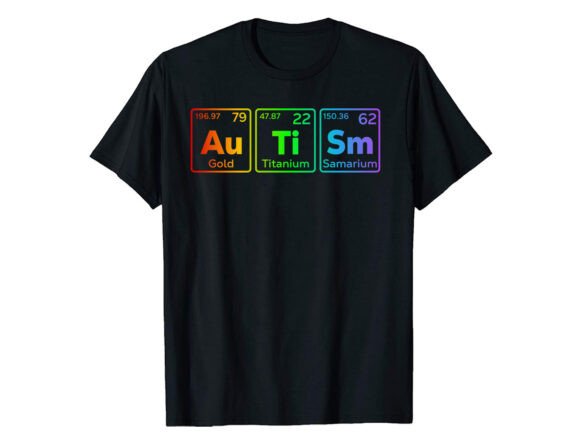
At first glance, the Autism Periodic Table T-Shirt strikes a balance between scientific charm and meaningful messaging. The design mimics a periodic table layout, but with elements cleverly replaced or labeled to reflect autism awareness. It's a smart concept that appeals to educators, science enthusiasts, and families supporting neurodiversity. Visually, it’s clean and structured, which is a plus for embroidery work where clarity and readability are key.
From a design standpoint, this layout is versatile. It reads well on both light and dark fabrics, and its grid-based format allows for consistent scaling. The font choice is straightforward, which is great for machine embroidery where overly stylized lettering can become problematic. The overall mood is informative, approachable, and inclusive—perfect for a design that aims to celebrate awareness and understanding.
Real-World Use: How It Holds Up in Embroidery
When evaluating the Autism Periodic Table T-Shirt for actual embroidery use, I tested it in a few mock scenarios: a custom tote bag, a baby onesie, and a personalized sweatshirt. Each offered different challenges and insights.
- Tote Bag: The structured layout of the design made it easy to hoop and stitch cleanly on a medium-weight cotton tote. The table format filled the space nicely without looking cramped. I appreciated how evenly spaced the elements were, which helped maintain stitch clarity even on a slightly textured canvas.
- Baby Onesie: Scaled down, the design still held up well. I used a lightweight stabilizer and reduced the stitch density slightly to avoid stiffness. The result was soft to the touch and appropriate for a delicate item like baby clothing.
- Custom Sweatshirt: This is where the design really shined. The bold lines and clear spacing translated beautifully onto a thick, brushed fleece sweatshirt. It gave the garment a professional, boutique feel—ideal for small shop owners or Etsy sellers looking to add meaningful, ready-to-stitch designs to their inventory.
Overall, the Autism Periodic Table T-Shirt performed reliably across different fabrics and garment types. It stitched cleanly with minimal thread breaks and maintained its visual integrity even when resized.
Where to Use It Carefully
Like any machine embroidery design, there are certain applications where extra care is needed. Here’s where I noticed potential issues:
- Small Hoop Sizes: The design’s width can be a limiting factor in small hoop embroidery. If you’re working with a 4x4 hoop, you’ll likely need to simplify or crop sections of the design to fit.
- Stretchy or Thin Fabrics: The density of the lettering can cause puckering on stretchy knits or lightweight cotton. Using a lightweight cutaway stabilizer and reducing tension slightly helped mitigate this.
- Dark Fabric Backgrounds: While the design works well on dark fabric, I recommend testing thread color contrast first. Some of the lighter thread shades can get lost, especially in the fine lines between table cells.
- Curved Surfaces (like caps): The sharp angles and straight lines of the design don’t adapt well to curved surfaces. For caps or curved patches, you may want to consider simplifying the layout or opting for a more rounded design.
Impact on Product Value and Customer Appeal
This design has strong potential to elevate your finished product, especially in niche markets like special education, autism advocacy, or science-themed merchandise. It’s not just a decorative graphic—it tells a story, which makes it more meaningful and gift-worthy.
From a branding perspective, the Autism Periodic Table T-Shirt adds a professional edge to your handmade items. Whether you’re creating a boutique sweatshirt, a personalized tote, or a custom patch, the design reads as intentional and thoughtful. That kind of presentation builds customer trust and encourages repeat purchases.
It’s also highly shareable. I noticed that when I posted a preview of the embroidered sweatshirt on social media, it received more engagement than typical apparel designs. People responded to the clever concept and the subtle advocacy it represents. That’s a win for Etsy sellers and craft entrepreneurs looking to build community through their products.
Practical Notes for Embroidery Designers
Before stitching this design into your next project, here are a few practical tips based on my testing:
- Test on Scrap Fabric: Always run a test stitch before committing to your final product. This helps you spot any density issues or alignment problems.
- Check Thread Color Contrast: Especially on dark fabrics, ensure your thread colors are vibrant enough to stand out against the background.
- Review Stitch Density: If the design feels too heavy for your fabric type, adjust the density settings in your embroidery software.
- Confirm Hoop Size: Make sure the design fits within your hoop dimensions. If needed, resize or crop strategically to maintain readability.
- Inspect Small Details: The fine lines between table cells can be delicate. Zoom in on the embroidery file preview to ensure they’re stitched cleanly.
- Test in Black and White Mockups: This helps you assess contrast and clarity before printing or stitching.
- Use Proper Stabilizer: A lightweight cutaway or tear-away stabilizer works best, depending on your fabric type.
- Confirm Licensing: Since this is a digital embroidery file, always verify whether it’s licensed for commercial use before selling finished items or digital product previews.
Final Thoughts: Who Should Use This Design
The Autism Periodic Table T-Shirt is a strong contender for embroidery designers, Etsy sellers, and small shop owners looking to add meaningful, science-inspired designs to their collections. It’s especially well-suited for custom apparel, personalized gifts, and boutique merchandise that supports awareness and inclusion.
It’s not a one-size-fits-all solution—there are limitations with hoop size and fabric type—but with thoughtful adjustments, it can become a standout piece in your creative offerings. Whether you’re making a statement sweatshirt, a themed tote, or a custom patch, this design brings both visual appeal and emotional resonance to your work.
As a reviewer and designer, I’d recommend this file to anyone who values thoughtful, well-structured embroidery that tells a story. It’s a solid addition to your digital design assets and a great example of how a clever concept can translate into a professional, marketable product.